


Redacción Alabrent
It might happen in a shower, where steam and shampoo make contact. It might happen in an ice bucket, where condensation creeps beneath the surface. Converters might blame the ink. Or the varnish. Or the press. But more often than not, the truth lies deeper - in the invisible layer that holds everything together. It's the primer. The often-unsung hero of the label world.Why the Primer Deserves More Attention
Primers have been treated as a simple formality but as digital printing has matured, with more SKUs, more substrates, and rising embellishment demands, the primer has quietly become the one of the most influential layers in the entire label construction. As Andre Soterio, IML specialist and expert for the ACTDigi® LEP Primer at ACTEGA, put it: “If the primer isn’t strong, the entire label construction is at risk - and there’s no way to compensate for that later on.”
That's why evaluating a primer is no longer a procurement exercise. It’s a strategic decision that shapes print quality, operational efficiency, and customer satisfaction.
What "Good" Looks Like Today
A modern primer is the bridge between substrate, ink, and varnish. It’s the layer that determines whether a label will survive moisture, abrasion, handling, and time. Specifically, a strong primer should:
- Perform across substrates - films, coated and uncoated papers, metallised surfaces, and demanding textured wine papers.
- Deliver water resistance that holds up under repeated condensation cycles.
- Welcome embellishment rather than fight it, so foil and varnish hold fine detail.
- Support the press, not stress it, reducing wear on consumables.
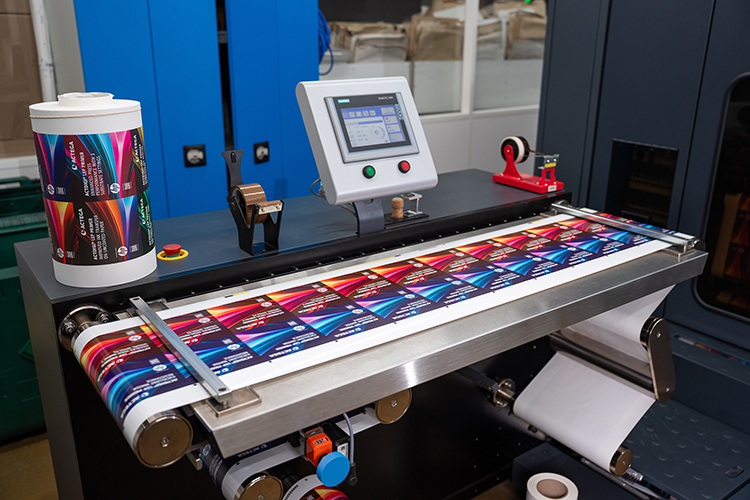
ACTDigi® LEP Primer is a useful benchmark here. Expertly developed for HP Indigo 6K, 6K+, and 8K digital presses, this advanced water-based ACTDigi® LEP Primer elevates print quality and delivers unmatched performance and versatility across coated, uncoated, synthetic and metallised substrates. By choosing HP approved ACTDigi®, converters can now unlock superior water resistance, robust ink adhesion, and reliable, high quality results - even on the most challenging materials.
How to Properly Test a Primer
Don't take performance on trust. Put the primer through a structured evaluation before committing. It’s not enough to test primers only by adhesion results on a single substrate as the reality is far more nuanced. Here's a practical guideline that can be applied today.
1. Adhesion testing
Run a standard tape test across every substrate you actually use, not just one. Look for ink lift, especially on uncoated and synthetic films. A good primer should achieve more than 95% ink adhesion on standard tape tests; for reference, converters using ACTDigi® LEP Primer consistently report meeting and exceeding this benchmark
2. Water and condensation resistance
Simulate real conditions. Submerge or spray samples, then cycle them through cold and humid environments. Watch for:
- Water ingress under the overprint varnish (OPV)
- Clouding on wine-style labels
- Edge lift after repeated wetting
3. Embellishment compatibility
Apply your typical foil, varnish, and tactile finishes. Check that fine details - crests, text, intricate patterns - stay crisp rather than blurring or flaking.
4. Substrate versatility
Test the same primer across your full portfolio. A primer that performs on one paper but fails on textured stock like Tintoretto isn't truly versatile.
5. Operational efficiency
Track the practical impact on your press. Lower dryer temperatures and optimised corona settings can extend blanket and PIP life by 10–20% - a meaningful saving over a production year.
Why Evaluating Your Primer Matters Now
If you’re reassessing your primer, or if you’ve never truly evaluated one before, now is the moment. While the market once had limited options, the industry has evolved, and demand has changed. With more choices available on the market, this is a great opportunity to run the tests mentioned above on your own substrates and under your specific conditions, then compare the results honestly. See for yourself how different primers perform under real-world pressure.
ACTEGA's ACTDigi® LEP Primer consistently passes all of the above tests and the company’s regional teams are here to support you with comprehensive trials, seamless onboarding, and ongoing technical guidance.